When Your Genuine Effort to Provide Helpful Advice and Sincere Guidance Is Met With Internet Trolls, Playful Sarcasm, and Unexpectedly Hilarious Commentary From the Very Community You Are Trying to Support, Leading to a Viral Moment of Shared Laughter, Relatable Frustration, and the Unpredictable Chaos of Social Media Engagement.
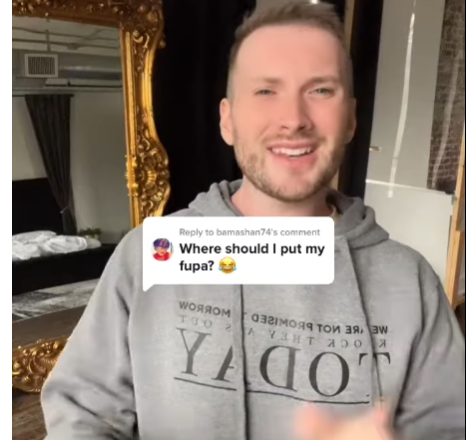
In the digital age, the phrase “no good deed goes unpunished” has found a second life in the comment sections of social media. We have all been there: you post a video or a comment with the purest of intentions, aiming to provide a solution, share a life hack, or offer a bit of hard-earned wisdom. You hit “post” feeling like a Good Samaritan of the internet. Then, the notifications start rolling in. Instead of a chorus of “thank yous,” you are met with a wave of memes, lighthearted ribbing, and users who seem more interested in “playing” than learning. It’s a classic digital standoff, and as the caption says, it leaves you laughing through the mild exasperation.
This phenomenon highlights a fascinating shift in how we communicate online. On platforms like TikTok and Instagram, the line between education and entertainment (often called “edutainment”) is razor-thin. While you might be focused on the “education” part, the audience is often there for the “entertainment.” When a creator tries to be serious or helpful, the community often uses humor as a way to build rapport or, in some cases, to test the creator’s “vibe.” If you can take the joke, you pass the invisible litmus test of internet likability.
The “y’all wanna play” sentiment is a perfect example of community-driven content. When followers start joking around in the comments, they aren’t necessarily rejecting the help; they are transforming the post into a communal hangout spot. In many ways, the comment section becomes the “main event,” sometimes even overshadowing the original video. For a creator, this can be frustrating if the goal was to deliver a specific message, but from a growth perspective, it’s gold. High engagement—even if it’s just people being silly—signals to the algorithm that the content is worth sharing, pushing your “help” to an even wider audience.
Moreover, there is a psychological element at play regarding how we receive advice. Often, direct help can feel patronizing if not delivered with the right tone. By “playing” in the comments, the audience levels the playing field. They turn a teacher-student dynamic into a peer-to-peer interaction. It’s a defense mechanism that keeps the atmosphere light and prevents the platform from feeling too much like a lecture hall. As a creator, leaning into the joke—as seen with the use of the laughing emoji—is the ultimate power move. it shows emotional intelligence and an understanding of the platform’s culture.
However, there is a deeper lesson here about the resilience of creators. To put yourself out there with the intent to help requires a certain level of vulnerability. When that help is met with playfulness, it requires a quick pivot to keep the momentum going. The best creators are those who can navigate the chaos of their comment sections without losing their cool. They understand that while they provide the spark (the helpful content), the community provides the fire (the engagement).
Ultimately, “trying to help” in a world that “wants to play” is the quintessential social media experience. It’s a reminder that while we may go online to find answers, we stay for the connection. Even if the help gets lost in a sea of inside jokes and laughing emojis, the fact remains that a bridge was built. So, keep offering the advice, keep sharing the tips, and most importantly, keep laughing when the internet does what it does best: turns a serious moment into a playground.