From Pints to Panties: The Ultimate Metamorphosis of a Gritty Local Dive Bar Into a High-End Luxury Lingerie Boutique, Proving That With a Vision, Some Serious Scrubbing, and Creative Architectural Vision, Any Space Can Transition From Serving Cold Draft Beers to Showcasing the Finest Silk, Delicate Lace, and Intimate Evening Apparel Collections.
The transformation of a commercial space is often a lesson in architectural alchemy, but few projects are as diametrically opposed as converting a weathered neighborhood bar into a sophisticated lingerie boutique. It is a journey from the masculine to the feminine, from the communal to the intimate, and from sticky floors to velvet slippers. When the neon “Open” sign of a tavern finally flickers out, most see a graveyard of late-night regrets; however, for a visionary entrepreneur, it is a blank canvas ripe for a radical aesthetic revolution.
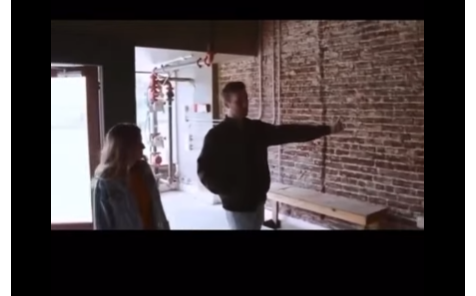
The first and most daunting hurdle in this renovation is the exorcism of the atmosphere. Bars are designed to absorb: they absorb sound, spills, and the lingering scent of hops and tobacco. To transition this into a high-end retail environment, the “bones” of the building must be stripped back to their raw state. This often involves tearing out water-damaged wood, deep-cleaning brickwork that hasn’t seen the light of day in decades, and replacing heavy, light-blocking shutters with expansive glass storefronts. The goal is to replace the “cave-like” comfort of a pub with the airy, ethereal glow required to make delicate fabrics pop.
Lighting plays a pivotal role in this metamorphosis. In a bar, lighting is used to hide imperfections and create a sense of anonymity. In a boutique, light is a precision tool. The dim, amber hues of Edison bulbs are swapped for high-CRI (Color Rendering Index) LEDs that accurately render the subtle differences between blush, ivory, and champagne silks. Tracking lighting replaces the dusty ceiling fans, focusing intently on mannequins rather than pool tables.
Then, there is the spatial reconfiguration. A bar is centered around a focal point of service—the long counter where patrons gather. In a lingerie store, the flow must be intuitive yet private. The bar counter itself might be salvaged and refinished into a grand “wrap desk” or a display island for accessories, serving as a nod to the building’s history. Meanwhile, the back area, once home to keg storage or a cramped kitchen, is reborn as the heart of the boutique: the fitting rooms. These aren’t just stalls; they are plush, carpeted sanctuaries with flattering mirrors and soft acoustics, designed to make the customer feel celebrated and secure.
The material palette undergoes a complete 180-degree shift. Industrial steel, dark mahogany, and cracked leather make way for brass accents, marble surfaces, and satin-finish paints. Textures move from “rugged and durable” to “soft and tactile.” Where there was once the clink of glassware, there is now the soft rustle of hangers and a curated, chill-pop soundtrack.
Ultimately, renovating a bar into a lingerie store is about more than just aesthetics—it’s about redefining the energy of a location. It’s the story of a space that once hosted rowdy Friday nights evolving into a place of self-care and elegance. It proves that with enough structural courage and a clear design identity, you can take a place defined by its “rough edges” and polish it into something truly exquisite. It’s a testament to the fact that every building, much like every person, has the capacity for a second act that looks nothing like the first.