Redefining the Digital Aesthetic with Wit and Authenticity: Why Humorously Calling Out Social Media Trends Becomes a Refreshing Masterclass in Self-Awareness, Satire, and Building a Community That Values Real Connections Over Curated Perfection in the Modern Online Landscape Today.
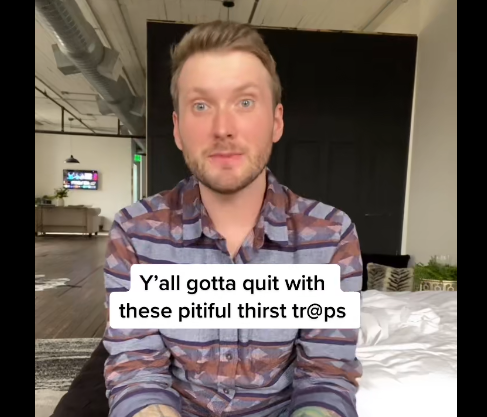
In an era dominated by carefully staged photos and specific digital “posturing,” there is nothing quite as effective as a well-timed reality check. When a creator shares a message like, “Y’all gotta quit with these pitiful thirst tr@ps,” they aren’t just making a statement; they are performing “the Lord’s work” for the exhausted scroller. This comedic approach to #selfies culture serves as a vital palate cleanser, trading vanity for vulnerability and satire. By poking fun at the lengths people go to for engagement, you are positioning yourself as the relatable, straight-talking friend who isn’t afraid to say what everyone else is thinking.
The humor in this specific type of #comedy stems from the subversion of expectations. Usually, a selfie is intended to showcase one’s best angles; here, the image is used to deliver a “public service announcement” against over-the-top digital vanity. This “anti-trend” content resonates because it highlights the absurdity of modern social dynamics. It turns the lens back on the viewer and the platform, asking us to laugh at the collective habits we’ve developed in the pursuit of likes. This brand of #funny content builds immediate rapport because it feels honest—it breaks the “fourth wall” of social media and invites the audience into an inside joke.
From a psychological perspective, satire is a powerful tool for navigating social pressures. By humorously critiquing a trend, you are practicing social commentary that allows people to feel seen and validated. Many users feel an unspoken pressure to compete with high-glamour content; seeing a creator dismiss those trends with a grin provides a sense of “psychological relief.” It encourages a mindset of authenticity and confidence, proving that you don’t need a “tr@p” to get attention when you have a sharp wit and a grounded personality. It shifts the focus from “look at me” to “laugh with me.”
On the #fyp, this type of content thrives because it is inherently shareable. People love to tag their friends in videos that mirror their own private conversations. It creates a ripple effect of engagement that is based on shared values rather than just visual appeal. For the creator, this strategy builds a loyal, high-quality following—people who are there for the personality and the “tips” on how to stay real in a digital world. It proves that the most “viral” thing you can be is yourself, especially when “yourself” has a great sense of comedic timing.
Furthermore, this approach highlights the evolution of the modern creator. You are moving beyond just participating in trends and instead becoming an observer and a critic of them. This elevated perspective is what turns a casual poster into a “voice of a generation” (or at least the voice of the feed). It’s a reminder that while the platforms might change, the human desire for genuine, unpretentious connection remains constant.
Ultimately, “doing the Lord’s work” is about keeping the internet a little more human and a lot more hilarious. It’s about the courage to call it like you see it and the talent to make people laugh while you do. So, keep the “tips” coming, keep the selfies honest, and never stop reminding us that the best content is the kind that makes us feel a little less alone in the chaos.