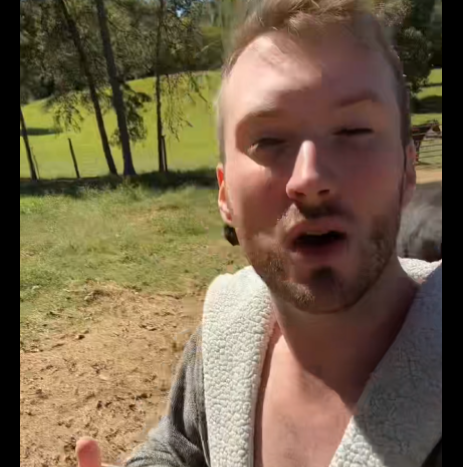
The Power of Radical Transparency in the Modern Agricultural World: Why Authentic Creators Are Using Social Media to Pull Back the Curtain, Debunk Common Misconceptions, and Share the Gritty Reality of Farm Life to Build a Foundation of Trust, Education, and Genuine Connection With a Global Audience That Craves the Truth.
In an era defined by highly curated “aesthetic” content, there is a growing movement toward what many call “the raw truth.” This is especially prevalent in the agricultural and homesteading sectors of social media. When a creator responds to a follower like @hellhound1226 with a message about “exposing the truth,” they are participating in a vital shift away from the romanticized, filtered version of rural living. They are choosing to show the mud, the long hours, the difficult decisions, and the occasional heartbreaks that come with caring for land and livestock. This transparency is not just refreshing; it is the cornerstone of a new kind of digital literacy.
The “truth” about farm life is often a complex tapestry of high rewards and significant challenges. For decades, the general public’s perception of farming was shaped by children’s books and idealized commercials. However, the rise of #FarmLife on platforms like TikTok has allowed actual farmers to become their own media outlets. They are “exposing” the fact that a “peaceful morning” often begins at 4:00 AM in freezing temperatures to fix a broken water line. They are showing that animal husbandry involves a deep, sometimes exhausting level of commitment that doesn’t pause for holidays or bad weather. By sharing these moments, creators help the world understand the true cost and effort behind the food and fiber we often take for granted.
From a consumer perspective, this transparency is transformative. When people see the reality of how animals are raised or how crops are managed, they become more informed advocates for the agricultural industry. It bridges the “rural-urban divide,” fostering a sense of empathy and respect for the people who work the land. When a creator is willing to show the “unfiltered” side of their work—including the failures and the “gross” parts—they build an immense amount of credibility. In a digital landscape often skeptical of polished marketing, the creator who shows the dirt under their fingernails is the one who is truly trusted.
Furthermore, “exposing the truth” serves a vital educational purpose. Many viewers are aspiring homesteaders or hobby farmers who need to see the reality of the lifestyle before they dive in. Seeing a creator troubleshoot a sick calf or explain the logistics of hay storage provides a “real-world” classroom that textbooks cannot replicate. It encourages a culture of learning where mistakes are shared openly so that others can avoid them. This communal knowledge-sharing makes the entire industry stronger and more resilient.
There is also a profound psychological benefit for the creators themselves. Trying to maintain a “perfect” image online is a fast track to burnout. By embracing the truth, creators find a more sustainable way to share their lives. They find a community that supports them not just when things are going well, but also when they are struggling. This leads to more meaningful interactions, where a simple “thank you for being real” from a follower can provide the motivation needed to get through a particularly tough day on the farm.
Ultimately, the drive toward truth is about connection. We are all looking for something real to hold onto in a digital world. When we see a farmer standing in a rain-soaked field, tired but proud of their work, we see a reflection of the human spirit’s resilience. So, keep sharing the “exposed” truth, keep debunking the myths, and keep showing the world what it really takes to keep the farm running. The truth isn’t always pretty, but it is always worth sharing.