The Surprising Rise of the Relatable Aesthetic: Why the “Dad Bod” Has Officially Become a Global Cultural Phenomenon That Redefines Modern Masculinity, Promotes Radical Body Positivity, and Challenges the Unrealistic Fitness Standards Traditionally Seen Across Social Media Platforms Like TikTok, Instagram, and Beyond in This New Era of Authenticity and Self-Love.
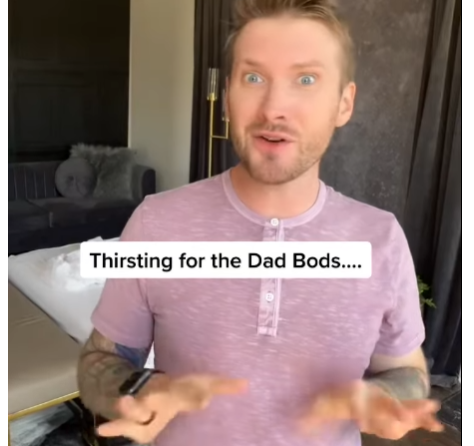
In the hyper-curated world of social media, where filters and “perfect” lighting often dictate the standard of beauty, a quiet revolution has been brewing—one that favors soft edges over shredded obliques. The “dad bod,” once a lighthearted colloquialism, has transformed into a powerful symbol of the “everyman” aesthetic. It represents a shift away from the grueling, 24/7 fitness culture toward a lifestyle that balances physical health with the simple joys of living. To ask “Where my dad bods at?” is to call for a celebration of reality over the airbrushed ideal.
The appeal of this physique lies in its approachability and humanity. For decades, the media-defined “ideal” male body was one of extreme low body fat and hulking muscle mass—a look that is often unsustainable for those with full-time jobs, families, and hobbies that don’t involve a squat rack. The dad bod, characterized by a physique that suggests “I go to the gym, but I also enjoy a good pizza on Sunday,” resonates because it feels attainable. It strips away the intimidation factor, replacing it with a sense of warmth and relatability that more rigid body types often lack.
From a psychological perspective, the embrace of this look is a significant win for body positivity. Men have historically been less vocal about body image struggles, but the pressure to look like a superhero is pervasive. By reclaiming a body type that is soft, natural, and functional, men are participating in a movement that says their value isn’t tied to the visibility of their abs. It creates a space where confidence is built on personality, kindness, and capability rather than just a silhouette. It’s a reminder that a body is a vessel for experiences, not just an ornament to be displayed.
Furthermore, the “dad bod” trend has sparked a fascinating cultural conversation about attractiveness. Many people find the look appealing because it suggests a certain level of emotional maturity and a relaxed attitude toward life. It implies a person who prioritizes balance—someone who is active enough to be healthy but present enough to enjoy a meal without counting every macro. In a world that feels increasingly frantic and performance-based, there is something deeply attractive about a person who is comfortable in their own skin, exactly as it is.
The digital landscape has played a massive role in this shift. Hashtags like #DadBod and #Selfie are no longer just for the gym-obsessed; they are filled with men of all ages showing off their “natural” forms with pride. This visibility is crucial. When younger generations see older men or peers embracing their natural builds, it dismantles the “perfection or failure” binary that often leads to body dysmorphia. It fosters a community where the “selfie” is a tool for connection and solidarity rather than just a bid for vanity.
Ultimately, the rise of this aesthetic is a testament to our collective desire for authenticity. We are tired of the “hustle” and the constant need to optimize every inch of our lives. The dad bod is the physical manifestation of a “deep breath.” It says that it’s okay to be a work in progress, and it’s okay to enjoy the fruits of your labor. It’s about being healthy, being happy, and—most importantly—being yourself.